
Last Updated: October 17, 2026
Safe driving tips for Florida roads start with one fact: the conditions here change fast, and the traffic mix is unlike anywhere else.
Florida drivers share the road with tourists, snowbirds, and heavy truck traffic. Afternoon thunderstorms can cut visibility in minutes.
Below, we break down seven habits that work in these conditions. Each one is simple. Each one is teachable.
Seat belts are the first line of crash protection, and Florida law requires drivers and front-seat passengers to buckle up. Set the rule before the engine starts: everyone buckles, every trip, no exceptions.
Passengers matter here. An unbuckled passenger in the back seat becomes a projectile in a crash. Teens copy what they see, so buckle up yourself first.
Defensive driving means spotting a hazard before it becomes an emergency. Scan 12 to 15 seconds ahead, check mirrors every few seconds, and watch for brake lights three or four cars up.
Here is where most new drivers get it wrong. They stare at the car directly in front. That gives you about one second to react.
A few habits that build hazard awareness:
NHTSA’s defensive driving guidance stresses scanning and space as core crash-prevention skills. That is the same approach we teach in every behind-the-wheel lesson.
Distracted driving is one of the top causes of crashes, and the phone is the usual suspect. A text takes your eyes off the road for several seconds.
Set up before you drive: navigation on, playlist ready, phone in a mount or the console.
Multitasking behind the wheel is a myth. Your brain switches tasks, not runs them in parallel.
Speed limits are a ceiling, not a target.
Following distance is the single easiest safety upgrade. Use the three-second rule in good weather. Double it to six seconds in rain or low light.
Lane discipline keeps traffic predictable:
Aggressive driving and road rage cause crashes that have nothing to do with skill. If someone tailgates or cuts you off, let it go. Do not engage.
| Habit | What to Do | Why It Works |
|---|---|---|
| Speed | Drive at or below the limit for conditions | Shortens stopping distance |
| Following distance | Three seconds clear, six in rain | Gives time to react |
| Lane use | Signal, pass, move right | Keeps traffic predictable |
| Blind spots | Head check plus mirrors | Catches hidden vehicles |
Safe driving in heavy rain starts with slowing down and turning on your headlights. Florida’s afternoon storms arrive fast.
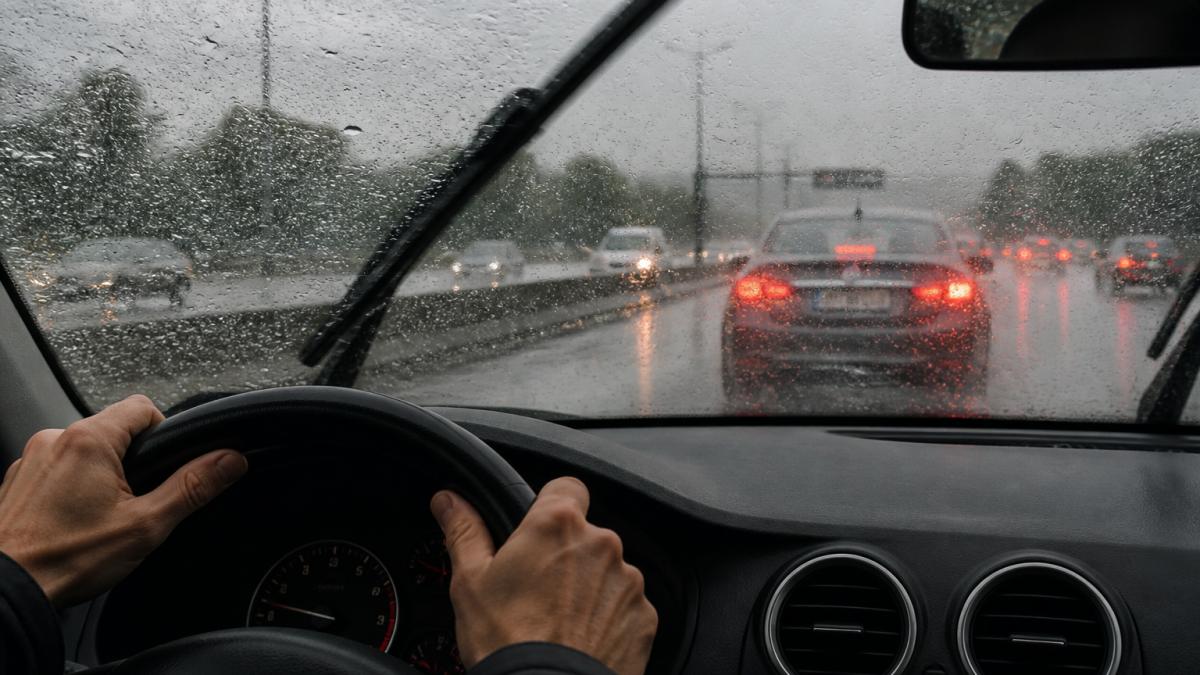
Follow these steps when the sky opens up:
Hydroplaning happens when tires ride on a film of water. Ease off the gas, hold the wheel steady, and do not slam the brakes.
Before storm season, run a vehicle safety checklist: good tire tread, working wipers, fresh wiper fluid, and functioning lights.
Florida highway driving tips come down to space, patience, and knowing which roads punish impatience.
Use the on-ramp to build speed. Match the highway pace, signal, and merge into a gap.
Big trucks need extra room. They have large blind spots on both sides and a long stopping distance.
In heavy, unpredictable traffic:
Florida Highway Safety and Motor Vehicles crash data tracks where and how crashes happen across the state.
This is where most highway guides go quiet, and where the local stakes are highest. Motorcycles, bicycles, and pedestrians are overrepresented in serious injury crashes, and the rules that protect them are simple:
A large share of local traffic is visitors, and unfamiliar drivers behave unpredictably: last-second lane changes, sudden exits, and stops in the wrong place. If you are the visitor, plan the route before you leave, set navigation before you shift into drive, and accept that you will miss a turn. Missing an exit and looping back is always cheaper than a panic lane change.
Teen driver safety Florida parents can enforce starts with clear expectations, not one big talk. Set rules before your teen gets the keys, and write them down.
Parent guidance that works:
Teen drivers need repetition, not pressure. A structured driver education program with real behind-the-wheel time builds the habits that last. At Drive Florida Safe Driving School, our instructors focus on defensive driving and road test preparation, and we work with anxious drivers of every age, not just teens.
Even careful drivers can end up in a collision. Knowing the steps keeps everyone safe and protects your record. Most guides stop at “call 911 and exchange insurance,” but the details below are what actually matter in the moment.
A breakdown on a busy highway is its own hazard. Pull as far onto the shoulder as you can, turn the wheels away from traffic, and turn on hazard lights. Stay in the car with seat belts on if you are on a high-speed road, and call for help. If you must get out, exit on the passenger side, away from traffic, and stand behind the barrier if there is one.
A few minutes of prep beats a breakdown in a downpour or on a dark stretch of highway:
Ease off the gas and keep the steering wheel straight. Do not slam the brakes, because locking the wheels makes the slide worse. Let the car slow on its own until the tires regain contact with the pavement, then steer gently back to your lane. Hydroplaning happens most in the first minutes of rain, when oil and water sit on top of the asphalt. Safe driving in heavy rain starts with slowing down before you feel the tires lose grip, and replacing worn tires before the wet season.
Most defensive driving programs teach five core habits: stay alert and scan ahead, keep a safe following distance, control your speed for conditions, avoid distractions like phones, and always wear a seat belt. These five cover the crash causes that show up again and again in traffic data. Practice them one at a time until they become automatic, then layer in Florida-specific skills like rain driving and highway merging. A certified instructor can spot which of the five you skip under pressure.
New drivers build habits through repetition with feedback, not just hours behind the wheel. Start on quiet roads and add traffic, highways, and rain as confidence grows. Set expectations before each lesson: phone in the glove box, both hands on the wheel, mirrors checked every few seconds. Teen driver safety Florida parents can reinforce by riding along and reviewing one skill per trip rather than correcting everything at once. Structured behind-the-wheel training shortens the learning curve and catches habits that are hard to unlearn.
Consider a defensive driving course after a long break from driving, after a collision or near miss, or when anxiety about highways and heavy traffic is holding you back. New residents adjusting to Florida roads also benefit, since local traffic patterns and storm-season driving differ from other states. A good course pairs classroom hazard awareness with real behind-the-wheel practice, so you leave with skills you have actually used. Fully accredited instructors can tailor the sessions to the situations that worry you most.
At Drive Florida Safe Driving School, we are dedicated to assisting our novice learners to become the safest driver. We always strive to render that you or your loved one receives the most updated techniques, knowledge, and defensive driving norms.



 English
 Spanish

