Tag Archives: florida driver’s license

Everything You Need to Know About Getting a Florida Driver’s License

Getting your Florida driver’s license is an essential milestone for anyone looking to legally operate a vehicle in the state. Whether you’re a new resident or a first-time driver, the process involves a combination of documentation, testing, and education. Applicants must provide proof of identity, Social Security number, and residential address before undergoing vision, written, and driving exams. It’s also important to familiarize yourself with Florida’s traffic laws and safe driving practices. Understanding the responsibilities that come with a license not only ensures legal compliance but also helps promote road safety for all motorists on Florida’s busy highways and streets.

Meeting Eligibility and Residency Requirements in Florida

To apply for a Florida driver’s license, you must meet certain eligibility criteria, especially if you’re new to the state. Florida law requires drivers to obtain a local license within 30 days of establishing residency. Residency can be demonstrated through documents such as utility bills, lease agreements, or mortgage statements. You must also meet age-related requirements: learners must be at least 15 years old, and drivers seeking a full license must be 18 or older unless they have held an intermediate license for at least 12 months. Understanding and meeting these eligibility factors is the first step in acquiring your legal driving credentials in Florida.

The Role of a Florida Driver Improvement Course

For drivers seeking to remove points from their license or reinstate a suspended one, a Florida driver improvement course can be a valuable tool. Approved by the Florida Department of Highway Safety and Motor Vehicles (FLHSMV), these courses educate drivers on safe driving techniques, traffic laws, and the consequences of reckless behavior. The Basic Driver Improvement (BDI) course is often court-ordered or chosen voluntarily to avoid insurance rate increases or traffic penalties. Completing the course demonstrates a commitment to road safety and responsible driving, which can be especially important after traffic violations or accidents.

When You Might Need a DUI School Level 1 Near Me

Drivers who have been convicted of driving under the influence are often required to attend a DUI school level 1 near me as part of their license reinstatement process. These courses are specifically designed for first-time offenders and focus on the dangers of alcohol and drug-impaired driving. Topics covered include the physiological effects of substances, state DUI laws, and the long-term consequences of impaired driving. Completion of Level 1 DUI school is mandatory before the state will consider reinstating driving privileges. Taking the program seriously not only satisfies legal obligations but also fosters greater awareness of personal and public safety on the road.

Renewing and Replacing a Florida Driver’s License

Maintaining a valid Florida driver’s license involves staying on top of expiration dates and keeping your information current. Licenses are typically valid for eight years but must be renewed in person or online, depending on your specific case. If your license is lost, stolen, or damaged, replacement can be requested through the FLHSMV website or a local office. Address and name changes also require timely updates. Ensuring your license is up to date helps avoid fines or legal issues, especially during routine traffic stops. Keeping your credentials current reflects a responsible and proactive attitude toward driving.

Commercial Driver’s License and Endorsement Requirements

Those pursuing a commercial Florida driver’s license must meet more rigorous standards and obtain special endorsements. This includes passing knowledge and skills tests specific to the type of vehicle operated, whether it’s a bus, truck, or hazardous materials carrier. Medical fitness, clean driving records, and background checks are all components of the application process. Drivers must also complete entry-level driver training from an approved provider. Maintaining a commercial license demands ongoing awareness of regulation updates and periodic recertification. With higher responsibility comes higher scrutiny, making it essential to follow all legal requirements to continue operating commercial vehicles in Florida.

Florida’s Graduated Driver Licensing (GDL) System

Florida implements a Graduated Driver Licensing (GDL) system to reduce accidents among young drivers. This multi-stage program includes a learner’s permit, an intermediate license, and a full license. During each phase, young drivers face limitations such as curfews and passenger restrictions to help them build experience under low-risk conditions. Completing a state-approved Traffic Law and Substance Abuse Education course is also mandatory for teens. This tiered system aims to reduce teen driving fatalities by ensuring drivers are better prepared before being granted full privileges. Understanding the GDL process is essential for parents and teens embarking on the path to licensed driving.

Penalties for Driving Without a Valid Florida Driver’s License

Operating a vehicle without a valid Florida driver’s license can result in severe legal penalties, including fines, court costs, and potential jail time. A first offense is generally treated as a misdemeanor, but repeat offenses may escalate to felony charges. Driving without a license also invalidates insurance coverage in many cases, leaving drivers financially vulnerable in the event of an accident. The consequences extend beyond the immediate legal realm, affecting employment prospects, insurance rates, and even your ability to obtain a license in the future. It’s crucial to take the licensing process seriously to avoid these long-term repercussions.

Online Resources and Digital Tools for Florida Drivers

Modern tools have made it easier than ever to manage your Florida driver’s license. The FLHSMV provides an online portal where residents can schedule appointments, renew licenses, check traffic citations, and update personal information. Mobile apps and digital IDs are also becoming more popular, offering a convenient and secure way to store your credentials. Online driver education courses, including traffic school and improvement programs, make it easier to comply with state requirements from the comfort of your home. Embracing these digital resources ensures that your licensing experience is efficient, accurate, and aligned with Florida’s evolving transportation standards.

Preparing for the Florida Driving Test

The final step toward earning your Florida driver’s license is passing both the written and practical driving tests. The written exam covers road signs, laws, and safe driving practices, while the road test evaluates your ability to handle a vehicle in real-world scenarios. Preparation includes studying the Florida Driver Handbook, taking practice tests, and gaining supervised driving experience. On the day of your test, ensure your vehicle meets all safety requirements and that you bring necessary documents. Confidence, calmness, and readiness are key. Successfully passing the tests not only secures your license but also marks your commitment to driving responsibly.

Conclusion

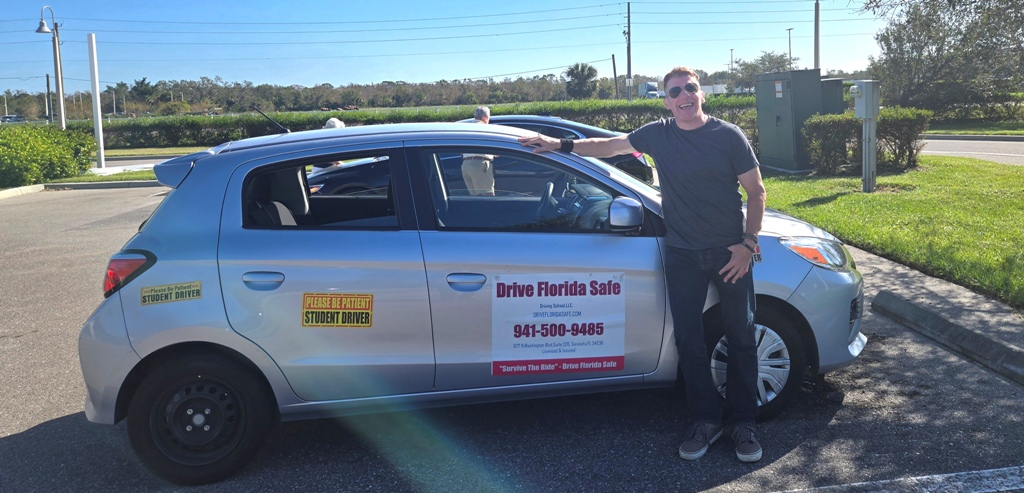
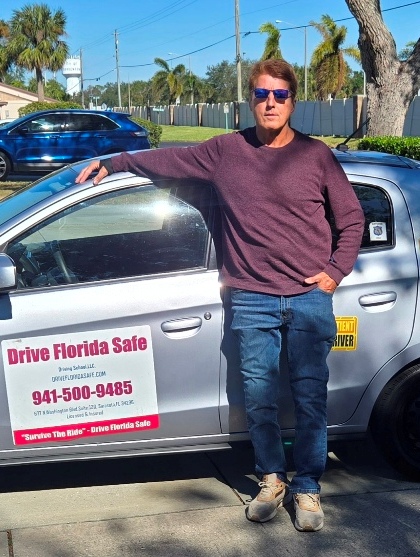
From first-time applications to reinstatements and commercial licensing, the process of securing a Florida driver’s license involves multiple steps and legal requirements. Understanding these steps and utilizing the appropriate educational tools—such as a Florida driver improvement course or a DUI school level 1 near me—can make the journey smoother and more successful. For those seeking expert guidance and state-approved driver education resources, Drive Florida Safe is here to support every step of the way.
Florida Driver Improvement Course: What You Need to Know

Driving is a privilege that comes with significant responsibilities. In Florida, maintaining safe roads is a top priority, and the Florida Driver Improvement Courses plays a crucial role in this effort. Whether you need to dismiss a traffic ticket, reduce points on your driving record, or lower insurance costs, this course offers a structured program to enhance driving skills and promote road safety. Here, we’ll explore everything you need to know about this essential program.


What Is the Florida Driver Improvement Course?

The Florida Driver Improvement Course is an educational program designed to help drivers improve their driving habits, understand traffic laws, and adopt safer practices. Administered by state-approved providers, the course is often required for:

  • Traffic ticket dismissal.
  • Avoiding points on your driving record.
  • Court-ordered attendance following a traffic violation.
  • Insurance premium reductions.

The course aims to reduce accidents, enhance driver responsibility, and promote safer roads across the state.


Types of Driver Improvement Courses

Florida offers several types of driver improvement courses tailored to different needs. Here’s a breakdown:

  1. Basic Driver Improvement (BDI)
    • For drivers who receive a traffic ticket.
    • Prevents points from being added to your driving record.
    • May help avoid increased insurance rates.
  2. Advanced Driver Improvement (ADI)
    • Designed for habitual traffic offenders or drivers with a suspended license.
    • Required for license reinstatement.
  3. Court-Ordered Driver Improvement
    • Mandated by the court for certain violations.
    • Focuses on specific infractions or driving behaviors.
  4. Traffic Collision Avoidance Course (TCAC)
    • For drivers involved in accidents or seeking defensive driving education.
    • Emphasizes safe driving techniques and collision prevention.

Benefits of Taking the Course

Completing a Florida Driver Improvement Course offers multiple advantages, including:

  1. Ticket Dismissal and Point Reduction
    • Attending the BDI course allows you to dismiss your ticket and avoid accumulating points on your driving record.
    • This prevents potential license suspension due to excessive points.
  2. Insurance Premium Discounts
    • Many insurance providers offer discounts to drivers who complete a defensive driving course, reducing overall costs.
  3. Improved Driving Skills
    • The course provides practical tips and strategies to become a safer, more responsible driver.
  4. Compliance with Legal Requirements
    • Completing the course fulfills court orders or state mandates, helping drivers avoid further penalties.

How Does the Course Work?

The Florida Driver Improvement Course is structured to be convenient and accessible. Here’s what to expect:

  1. Enrollment
    • Choose a state-approved provider. Options include online courses, in-person classes, or hybrid formats.
  2. Course Duration
    • The BDI course typically lasts 4 hours, while the ADI course can take up to 12 hours, depending on the requirements.
  3. Course Content
    • Topics include Florida traffic laws, defensive driving techniques, collision prevention, and the consequences of impaired or distracted driving.
  4. Assessment
    • Most courses conclude with a multiple-choice quiz to evaluate your understanding. Passing this test is required to receive your completion certificate.
  5. Completion Certificate
    • Upon passing, you’ll receive a certificate of completion, which you must submit to the court or the Florida Department of Highway Safety and Motor Vehicles (FLHSMV).

Who Should Take the Course?

The Florida Driver Improvement Course is beneficial for:

  • Drivers who receive traffic citations and want to avoid points on their record.
  • Individuals seeking to reduce their insurance premiums.
  • Court-ordered participants following specific violations.
  • Habitual offenders aiming to reinstate their driving privileges.
  • Anyone interested in becoming a safer and more informed driver.

Costs and Availability

The cost of a Florida Driver Improvement Course varies by provider and course type. Basic courses typically range from $20 to $50, while advanced courses may cost more. Many providers offer online options, allowing you to complete the course at your convenience.


How to Choose a Course Provider

When selecting a course provider, consider the following factors:

  1. State Approval
    • Ensure the provider is approved by the FLHSMV.
  2. Course Format
    • Decide between online and in-person options based on your learning preference.
  3. Pricing
    • Compare costs among providers to find the best value.
  4. Customer Reviews
    • Read feedback from other participants to gauge the quality of instruction.

Tips for Success
  1. Complete the Course Early
    • Don’t wait until the deadline to start. Give yourself enough time to review the material thoroughly.
  2. Stay Focused
    • Whether online or in-person, minimize distractions during the course.
  3. Take Notes
    • Writing down key points can help reinforce your understanding of traffic laws and safety practices.
  4. Review the Material
    • Before taking the final quiz, revisit any sections you found challenging.

The Impact of the Course on Florida Roads

By educating drivers on safe practices, the Florida Driver Improvement Course contributes significantly to reducing accidents and fatalities. Drivers who complete the program are more likely to obey traffic laws, avoid risky behaviors, and respond appropriately to road hazards.


Frequently Asked Questions
  1. Can I take the course online? Yes, many providers offer convenient online options approved by the FLHSMV.
  2. How often can I take the BDI course? You can take the BDI course once every 12 months, up to five times in a lifetime.
  3. What happens if I don’t complete the course on time? Failure to complete the course by the deadline may result in additional penalties, including points on your record or license suspension.
  4. Will this course remove points already on my record? No, the course prevents new points from being added but does not remove existing points.

Final Thoughts

The Florida Driver Improvement Course is a valuable tool for maintaining your driving privileges, improving road safety, and saving money. Whether you’re addressing a traffic ticket, fulfilling a court order, or simply aiming to become a better driver, this course offers practical benefits that extend beyond the classroom. By completing the program, you not only meet legal requirements but also contribute to safer roads for everyone in Florida. Take the first step today and enroll in a driver improvement course tailored to your needs.

Mastering the Road: All Florida Safety Institute Road Test

Passing the road test is one of the most critical milestones in obtaining your driver’s license in Florida. Whether you’re a first-time driver or upgrading your license, it’s essential to understand the requirements and prepare thoroughly for the test. Drive Florida Safe Driving School offers comprehensive services, including preparation for the All Florida Safety Institute Road Test, to ensure you have the skills and confidence needed to pass.

In this blog, we’ll explore everything you need to know about the road test, how Drive Florida Safe Driving School can help, and tips for success on your test day.


Understanding the All Florida Safety Institute Road Test

The All Florida Safety Institute Road Test is a practical driving test required for obtaining a driver’s license in the state of Florida. Unlike the written test, which evaluates your understanding of road rules and signs, the road test assesses your ability to operate a vehicle safely in real-world conditions. This includes navigating traffic, obeying traffic laws, and demonstrating fundamental driving skills such as parking, lane changes, and stopping at intersections.

The road test is typically administered by a licensed examiner who will evaluate your driving performance and adherence to traffic laws. You’ll need to perform tasks such as:

  • Starting and stopping the vehicle
  • Performing a three-point turn
  • Parallel parking
  • Driving through intersections and making turns
  • Changing lanes and merging into traffic safely
  • Demonstrating proper use of signals and mirrors

Why Choose Drive Florida Safe Driving School for Your Road Test Preparation?

While the All Florida Safety Institute Road Test is a straightforward process, many new drivers find it challenging to navigate the various requirements and nuances. At Drive Florida Safe Driving School, we specialize in preparing students for the road test with personalized, professional training that ensures you’re not just ready to pass, but also to become a confident and safe driver.

Here are several reasons why choosing Drive Florida Safe Driving School is a great decision:

1. Experienced Instructors

Our instructors are highly trained, experienced, and licensed to teach students of all experience levels. They understand the nuances of the All Florida Safety Institute Road Test and will guide you through each element to ensure you’re comfortable with all skills required.

2. Comprehensive Training

We offer a well-rounded approach that covers all aspects of the road test. Our training includes everything from vehicle control, parking, and handling tricky traffic situations to understanding and applying Florida’s traffic laws. You’ll be given hands-on experience and thorough feedback, helping you feel prepared and confident for your test.

3. Tailored Instruction

At Drive Florida Safe Driving School, we understand that every student is different. Some may need extra practice on certain skills, while others may require a bit more time to master specific maneuvers. We customize lessons to meet your individual needs, ensuring you have the necessary skills and knowledge for the road test.

4. Flexible Scheduling

We offer flexible scheduling to fit your needs, whether you’re balancing school, work, or other commitments. With our varied class times, you can schedule lessons that work around your lifestyle, helping you stay consistent in your preparation.

5. Convenience of Road Test Appointment

Once you feel ready to take your road test, Drive Florida Safe Driving School can help schedule your test with the All Florida Safety Institute. We also provide vehicle rental options, so you don’t have to worry about arranging your own car for the test. Our services make the entire process hassle-free, from preparation to completion.


How to Prepare for the All Florida Safety Institute Road Test

While taking driving lessons at Drive Florida Safe Driving School is one of the best ways to prepare, there are also several steps you can take on your own to ensure you’re ready for the All Florida Safety Institute Road Test.

1. Review the Florida Driver’s Handbook

Before your test, it’s essential to be familiar with the Florida Driver’s Handbook. This handbook covers everything from road signs and traffic laws to safe driving practices. Understanding the rules of the road will help you during your road test and is also required for your written knowledge exam.

2. Practice Your Skills Regularly

It’s essential to practice your driving skills as often as possible before taking the road test. Focus on the key skills that the test will assess, including parallel parking, turning, lane changes, and making complete stops. Driving in different traffic conditions, such as city streets, highways, and residential neighborhoods, will help you develop well-rounded driving abilities.

3. Get Comfortable with the Vehicle

If you’re using your own vehicle for the road test, take time to get comfortable with it. Make sure you know how to operate all the essential features such as headlights, windshield wipers, and mirrors. You should also ensure that the vehicle is in good condition and meets the safety requirements for the road test, such as working lights and signals.

4. Practice Calmness Under Pressure

It’s normal to feel nervous before the road test, but it’s important to stay calm and focused. The examiner will be looking for your ability to handle stress while driving safely. Take a few deep breaths before the test, and remember that you’ve prepared well with both your lessons and practice.

5. Be Aware of Test Requirements

Check the specific requirements of the All Florida Safety Institute Road Test, including any necessary documentation, such as proof of identification and your learner’s permit. Be sure to arrive early to the test location to avoid unnecessary stress.


Tips for Success on Test Day

When the day of your road test arrives, there are a few things you can do to set yourself up for success:

  • Get Plenty of Rest: Ensure you’re well-rested before your test. Fatigue can impair your reaction time and focus.
  • Arrive Early: Arrive at the test location at least 15 minutes before your scheduled time to allow for check-in and paperwork.
  • Bring the Right Documents: Make sure you have all required documents, including your learner’s permit, proof of identity, and any other paperwork requested by the All Florida Safety Institute.
  • Stay Calm: Test anxiety is normal, but try to stay calm and focused on the task at hand. Take your time during the test, and remember that the examiner is looking for safe, confident driving, not perfection.

Conclusion: Drive Florida Safe Driving School – Your Partner in Road Test Success

The road test is an important step in your journey to becoming a licensed driver, and with the right preparation, it can be a smooth and successful process. Drive Florida Safe Driving School is here to guide you through every step of your driving journey, from lessons to road test readiness.

Our experienced instructors, flexible scheduling, and tailored lessons ensure you’re fully prepared for the All Florida Safety Institute Road Test. With our support, you can approach your test with confidence, knowing that you have the skills and knowledge needed to pass.

Ready to hit the road? Contact Drive Florida Safe Driving School today to start your journey toward becoming a skilled, confident, and safe driver!

Things To Keep In Mind When Driving In Florida’s Rainy Season

Driving in Florida can be particularly challenging due to its ranking as the 3rd most dangerous state for drivers and one of the top 5 rainiest states in the U.S. According to the Federal Highway Administration, rain accounts for 10% of all car accidents. For those living in or visiting Florida, especially during the summer when thunderstorms are frequent, knowing how to drive safely in the rain is crucial. People can take help from all safety driving school to adapt safe driving habits and prevent major risks. It can make all the difference in arriving at your destination safely, even in a downpour.

Check Your Car & Tires

Before hitting the road in rainy conditions, ensure that your tires are properly inflated and have sufficient tread. Worn-down tires lose traction on wet roads, increasing the risk of accidents. Regularly inspect your tires for damage or uneven wear and replace them as necessary. Car maintenance is often overlooked when we’re in a rush, but it’s vital for safety, especially in adverse weather.

Additionally, it’s essential to verify that your headlights, windshield wipers, and brake lights are functioning properly. Driving in heavy rain is already hazardous, so don’t make it more dangerous by neglecting the basics like tire condition and working taillights. These simple checks can significantly enhance your safety on the road during bad weather.

Slow Down

One of the most effective ways to stay safe in hazardous driving conditions is to reduce your speed. Increase the stopping distance between your car and the vehicle in front of you to account for the reduced traction on wet roads. Driving too fast through standing water increases the risk of hydroplaning, where your tires lose contact with the road surface. By slowing down, you minimize the chances of losing control of your vehicle.

During a storm, reduce your speed even further than usual. Wet roads increase your vehicle’s reaction time, so giving yourself extra time to stop can prevent accidents. Speeding is one of the leading causes of car accidents, and it becomes even more dangerous on wet roads. Remember, the faster you drive in rainy conditions, the less control you have over your vehicle.

Turn On Your Headlights & Wipers

Turning on your headlights in the rain is crucial, even during the daytime, to increase your visibility to other drivers. If visibility is particularly poor, consider using your fog lights as well. Rain can make it difficult to see clearly, so having your headlights and wipers on helps you see better and allows other drivers to see you more easily.

Florida traffic laws require that if a vehicle’s windshield wipers are in use, its headlights must also be turned on. Ensure that your headlights are clean and that your windshield wipers are in good working condition. Wipers should be replaced at least once a year to maintain their effectiveness. If you often forget to turn on your lights, consider setting them to automatic so they activate whenever visibility is reduced.

Avoid Standing Water

During heavy rains, puddles can be deceptive. What appears to be a shallow puddle may actually be several inches deep, which can easily cause hydroplaning. To minimize the risk, avoid driving through standing water whenever possible. If you must drive through it, slow down before entering the water.

Standing water can also damage roads, creating hazards for vehicles. Avoid driving through areas where an electrical line has fallen into the water, as this poses a severe safety risk. While some standing water may be unavoidable, pay attention to the route taken by the driver in front of you to determine if it’s safe to follow. Bridges are particularly prone to freezing, so use extra caution when driving over them in rainy or icy conditions.

Be On High Alert

Many accidents occur simply because drivers are not paying attention. It’s always important to be aware of your surroundings, but this becomes even more critical when driving on wet roads. Avoid distractions such as your phone and remain vigilant to keep yourself, your passengers, and others on the road safe. Giving yourself extra time and space to react to other vehicles is essential when weather conditions are a factor.

Increase Distance Between Vehicles

Maintaining a safe distance between your vehicle and the one in front of you is always important, but it’s especially crucial on wet roads. Wet tires have reduced braking ability, so the stopping distance is shorter in rainy conditions. If the car in front of you stops abruptly, you’ll have less time to react due to the decreased traction on your tires. In normal conditions, a safe following distance is typically two seconds, but in the rain, it’s wise to increase this to three or four seconds.

Know What To Do If You Hydroplane

Despite your best efforts, you may encounter standing water that causes your vehicle to hydroplane. Hydroplaning occurs when your vehicle slides uncontrollably on a wet road, which can be a frightening experience that may lead to an accident. One key factor to avoid is cruise control, as maintaining a consistent speed isn’t suitable for every wet road.

If you do find yourself hydroplaning, immediately take your foot off the gas pedal and avoid slamming on the brakes, as this can cause your vehicle to skid out of control. Instead, steer in the direction your car is moving and remain calm until your tires regain traction.

Reduce Glare If Driving At Night

An often-overlooked aspect of safe driving in the rain is reducing glare, especially at night when visibility is already compromised. While headlights and windshield wipers are essential, they might not be enough on their own. To further enhance your visibility, avoid looking directly into oncoming headlights, dim or turn off your stereo screen, and ensure that all interior lights are off. By minimizing glare, you can better navigate the wet roads and reduce the risk of accidents.

Conclusion

Driving in Florida’s frequent rainstorms requires a combination of preparation, caution, and awareness. To be on the safe side, it’s wise to take help from all Florida safety institute road test. Also, by regularly maintaining your vehicle, adjusting your driving habits, and staying alert to your surroundings, you can significantly reduce the risks associated with wet weather driving. Remember, safety should always be your top priority when you’re on the road, especially in challenging conditions. By following these tips, you can navigate Florida’s rainy roads with greater confidence and arrive at your destination safely.